The Best Tints to Reduce Glare: Which One Works Best for You
by GoDetail | May 16, 2025
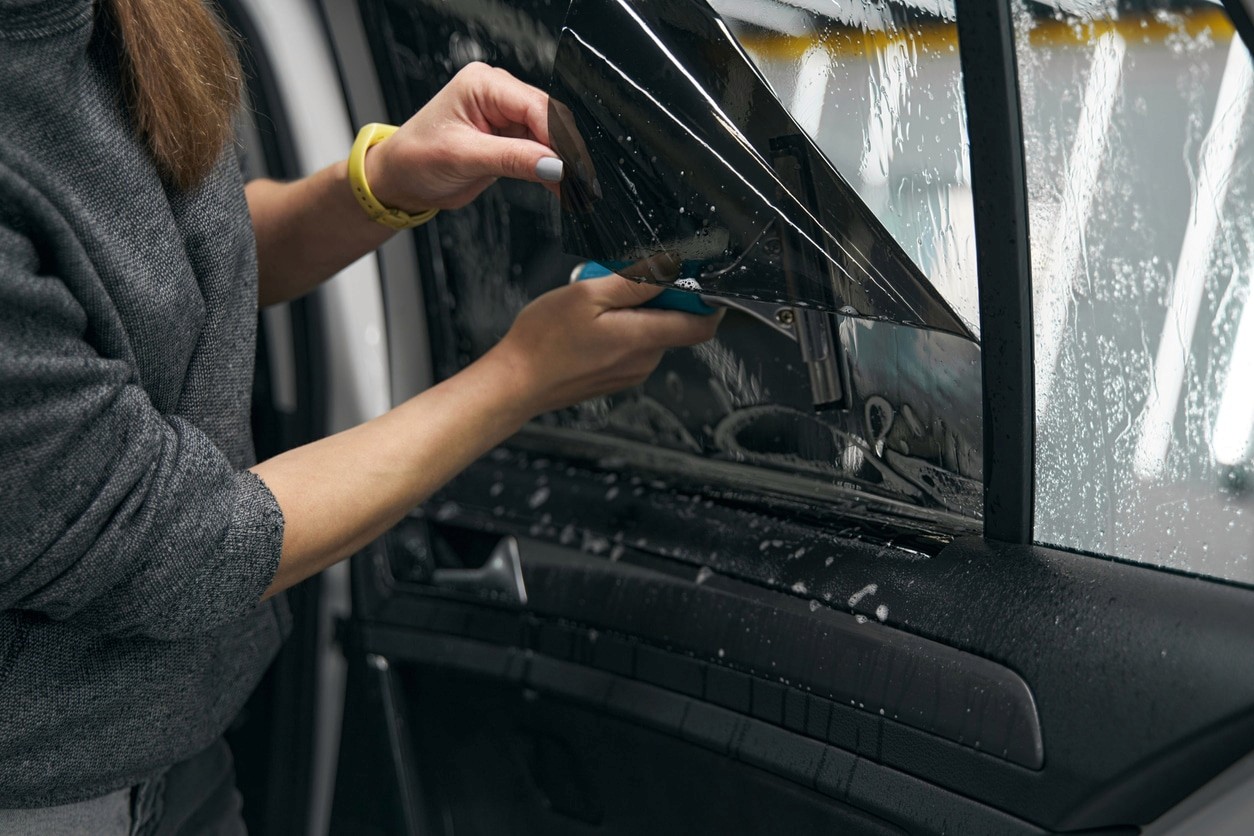
Selecting the right window tint for your vehicle can dramatically improve your driving experience by reducing glare, enhancing privacy, and protecting your interior from sun damage. While trusted car detailers can provide professional recommendations based on your specific needs, understanding the different types of tints and their benefits empowers you to make an informed decision. This guide explores the advantages of window tinting, breaks down the various tint types available on the market, outlines important factors to consider during selection, reviews reputable brands, and provides practical advice for choosing the perfect tint to reduce glare while complementing your vehicle’s appearance.
Benefits of Tinted Windows
Tinted windows offer numerous benefits, such as reducing glare and protecting your vehicle’s interior from harmful UV rays. Glare can be a significant safety hazard while driving, causing eye strain and reducing visibility. By installing tinted windows, you can minimize glare, making your driving experience safer and more comfortable. Additionally, UV rays can cause damage to your car’s interior, leading to fading and deterioration of upholstery and dashboard materials. Tinted windows act as a barrier against these harmful rays, preserving the look and quality of your vehicle’s interior. Not only do tinted windows enhance privacy and aesthetics, but they also provide functional advantages that can improve your driving conditions and prolong the lifespan of your vehicle’s interior.
Types of Window Tints
When considering window tints, it is essential to be aware of the various types available in the market to make an informed decision based on your specific needs and preferences. There are several common types of window tints to choose from, each offering unique benefits. Dyed window tints are affordable and can reduce glare effectively, but they may fade over time. Metalized tints provide excellent heat rejection and durability, although they can interfere with electronic signals. Carbon window tints offer superior heat reduction without signal interference, making them popular. Ceramic tints are known for their high clarity and heat rejection properties, but they tend to be more expensive. Understanding the characteristics of each type can help you select the best window tint for your requirements.
Factors to Consider
Considering several essential factors will help you decide when selecting the best window tint for your specific needs. First, assess the level of glare reduction required based on where the tint will be applied. If it’s for a vehicle, a higher glare reduction percentage may be necessary compared to home or office windows. Next, consider the tint’s visible light transmission (VLT) percentage to make sure it meets legal requirements and suits your preferences. Moreover, examine the tint’s UV protection capabilities to safeguard against harmful sun rays. Think about the tint’s durability and warranty to guarantee longevity. Lastly, evaluate the tint’s compatibility with your window type to ensure a proper fit. You can choose the ideal window tint for your requirements by carefully evaluating these factors.
Popular Tint Brands
Evaluating the market for window tints reveals several popular brands known for their quality and performance. 3M’s Crystalline series stands out for its superior heat rejection and clarity. LLumar offers a wide range of tints, from ceramic to metallic, providing options for different needs. Solar Gard’s Ultra Performance Plus line is praised for its durability and effectiveness in reducing glare. If you prefer a more budget-friendly option, consider SunTek, which reduces glare without breaking the bank. Ultimately, Prestige Spectra PhotoSync is known for its innovative technology that adapts to changing light conditions. When choosing a tint brand, consider factors like UV protection, heat reduction, and glare reduction to find the best fit for your needs.
Choosing the Right Tint
How do you choose the right tint for your windows to reduce glare effectively? Consider the VLT (Visible Light Transmission) percentage and the tint color when selecting a tint. Opt for a tint with a VLT between 35% and 50% to balance glare reduction and visibility. In addition, choose a tint color that complements your vehicle’s exterior while effectively reducing glare. For instance, neutral tints like charcoal or bronze are versatile options that reduce glare without altering colors drastically. Darker shades, such as black, can provide maximum glare reduction but may impact visibility at night. By carefully evaluating your preferences and needs, you can select a tint that reduces glare effectively and enhances your vehicle’s aesthetic appeal.
" height="34.04168493150685px" id="paGRt1nAC" width="34.041141552511476px"/></svg>)
