The Effectiveness of Detailing: Does It Really Remove Scratches
by GoDetail | Jun 12, 2025
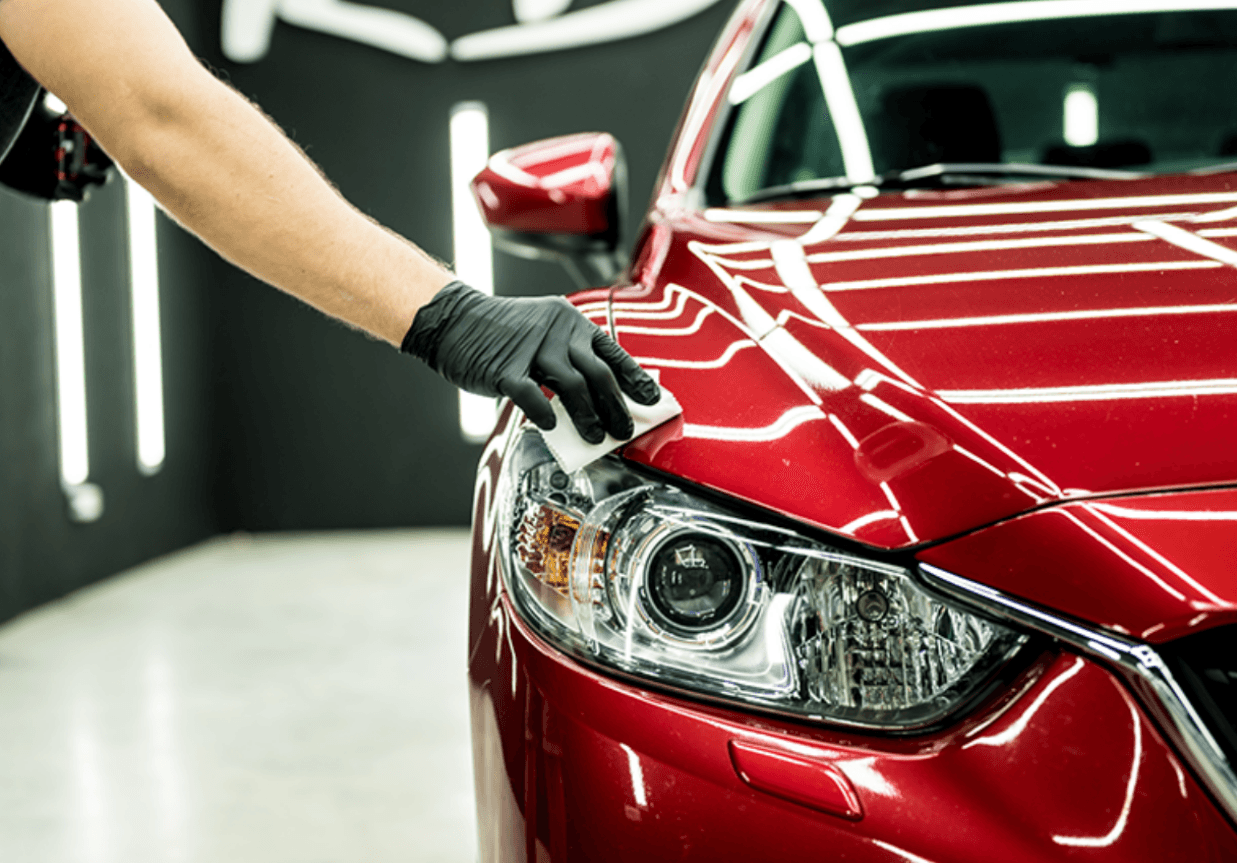
Car scratches can be frustrating, but many people wonder if professional detailing can fix them. The answer depends on several factors, including the type and depth of the scratch, the techniques used, and the skill of the person doing the work. Many dependable car detailers have developed proven methods to remove or significantly reduce scratches, bringing cars back to their original shine. This guide explains how scratch removal works, the types of scratches that can be fixed, and the results you can realistically expect. You’ll learn about the science behind the process and see real examples of what professional detailing can accomplish for your vehicle.
The Science Behind Detailing
In detail, understanding what products are made of helps achieve the best results when removing scratches. Each product contains specific compounds designed to work with the surface at a microscopic level, effectively removing imperfections. By understanding these chemical reactions, we can smartly choose the most suitable product for each type of scratch. It’s essential to consider factors such as hardness, depth, and location of the scratch when selecting the most suitable solution. Being aware of the pH levels, abrasive properties, and lubrication capabilities of the product helps ensure a successful outcome. Mastering the science behind detailing enables us to address scratches with precision and efficiency, consistently delivering exceptional results.
Types of Scratches and Their Severity
Understanding the different types of scratches and their severity helps determine the most effective approach for their removal during detailing. Scratches can range from light surface marks to deep gouges. Surface scratches, often appearing as faint lines on the clear coat, are the easiest to remove. These are typically caused by light contact with soft materials. Moderate scratches go through the clear coat, requiring more intensive treatment. They are visible to the naked eye and can often be felt with a fingernail. Deep scratches go beyond the clear coat, reaching the base coat or even the metal. These severe scratches need professional help and may involve repainting or touch-up procedures for complete restoration.
Techniques Used in Scratch Removal
Examining the surface closely reveals the techniques used in scratch removal, ensuring accuracy and effectiveness in detailing.
Compounding: This technique involves using abrasive compounds to level the scratch with the surrounding surface, gradually removing the imperfection.
Polishing: Polishing is then used to refine the area, smoothing out any remaining roughness and restoring the paintwork’s shine.
Finishing Touches: Finally, specialized finishing products are carefully applied to protect the newly treated area and blend seamlessly with the rest of the vehicle’s surface. These techniques, when executed with skill and attention to detail, yield a flawless finish that demonstrates the mastery of the detailing process.
Factors Affecting Scratch Removal
Scratch removal outcomes are greatly influenced by factors such as the depth and severity of the scratch, the type of paint and finish on the vehicle, and the skill of the individual performing the detailing. The depth of a scratch is important; shallow scratches are easier to remove than deep ones that go through the clear coat. Different paint types require specific techniques for effective scratch removal, with softer paints being more prone to damage during the process. The finish of the vehicle, whether glossy or matte, affects the visibility of scratches. The skill of the detailer is the most important factor, as skill and experience greatly impact the final results. Mastery in recognizing these factors helps achieve the best scratch removal outcomes.
Real Results: Before and After Comparisons
Our evaluation of scratch removal effectiveness through before-and-after comparisons provides clear evidence of the detailing process’s impact on restoring a vehicle’s appearance. By carefully documenting each step of the detailing process and capturing images both before and after, we can demonstrate the transformation that occurs.
Before Detailing:
Deep scratches damage the surface.
Swirl marks are visible under direct light.
Dull, lackluster paint detracts from the overall appearance.
Through our careful approach to detailing, we achieve remarkable results that showcase the power of professional restoration techniques. The comparison images speak volumes, showing a significant improvement in the vehicle’s paint clarity, depth, and overall brilliance.
" height="34.04168493150685px" id="paGRt1nAC" width="34.041141552511476px"/></svg>)
