What Is the Darkest Legal Window Tint: Everything You Need to Know
by GoDetail | May 16, 2025
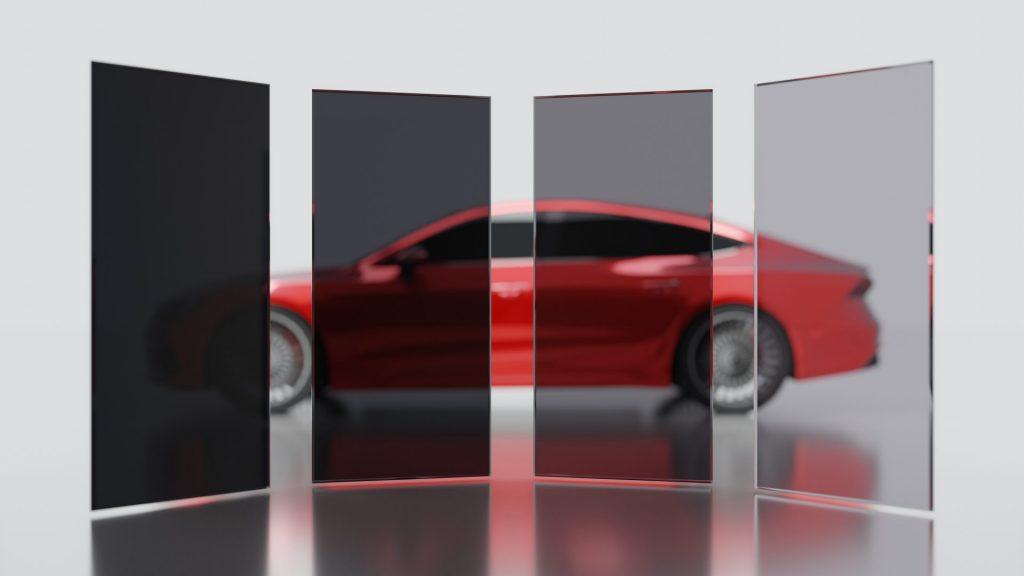
Window tinting has become increasingly popular for aesthetic appeal and practical benefits, but navigating the complex regulations surrounding tint darkness can be challenging. Just as an exceptional car detailing company pays meticulous attention to every aspect of your vehicle’s appearance, understanding window tint laws requires careful consideration of state and personal requirements. This comprehensive guide explores the legal limits on window tinting across different states, the advantages of darker tints, specific regulations you need to know, tips for selecting the right shade for your vehicle, and proper maintenance practices to keep your tint in pristine condition while remaining compliant with local laws.
Legal Limits on Tint Darkness
When considering legal limits on tint darkness, the regulations vary by state and are typically measured through visible light transmission percentages. Each state has its specific laws regarding how dark window tints can be. For example, the front side windows in California must allow over 70% of light in, while the rear and back windshields can have any darkness. On the other hand, states like New York only allow a maximum of 70% darkness for side and rear windows. Understanding these regulations is essential to avoid fines or legal issues. It’s important to research and comply with your state’s specific tint darkness limits to ensure you stay within the legal boundaries.
Benefits of Darker Tints
Darker window tints provide increased privacy and UV protection while driving, enhancing comfort and safety for you and your passengers. By reducing the amount of visible light entering the vehicle, darker tints help shield you from prying eyes and potential thieves. They can significantly lower the sun’s harmful UV rays that can cause skin damage and increase the risk of skin cancer. This added protection is particularly beneficial for those who spend extended periods in their vehicles. Darker tints can also help regulate the interior temperature by blocking out excess heat, reducing the need for constant air conditioning, and improving fuel efficiency. Opting for darker tints can create a more secure, comfortable, and efficient driving experience.
State-by-State Regulations
Understanding the specific regulations regarding window tint darkness in each state is crucial to ensure compliance with legal requirements and avoid potential penalties. Here are five key points to keep in mind:
California: Front-side windows must permit more than 70% of light to be in.
Texas: Front side windows must permit more than 25% of light.
New York: Front-side windows must permit more than 70% of light to enter.
Florida: Front side windows must permit more than 28% of light.
Illinois: Front-side windows must permit more than 35% of light. Familiarizing yourself with these regulations will assist you in making informed decisions when selecting the appropriate window tint darkness for your vehicle.
Choosing the Right Shade
Understanding the permissible levels of light transmission in different states is essential when selecting the appropriate shade for your window tint. Each state has specific regulations on how dark you can go, with some allowing darker tints on rear windows compared to front ones. For example, the front-side windows in California must allow over 70% of light to be reflected, while the rear and back windows can have any darkness. On the other hand, states like Alaska require a minimum of 70% light transmission on all windows except the rear window. Considering these regulations, choosing a shade that complies with your state’s laws is vital to avoid fines or having to remove the tint later.
Maintenance and Care Tips
Compliance with state regulations regarding window tint darkness levels is crucial for maintaining the legal status of your vehicle. To ensure your window tint remains in compliance and good condition, follow these maintenance and care tips:
Regularly clean your tinted windows with a gentle soap and water solution.
Avoid using harsh cleaners or abrasive materials that could damage the tint film.
Do not lower the windows for at least 3-5 days after tint installation to allow the film to cure properly.
Use a gentle microfiber cloth to dry the windows after cleaning to prevent water spots.
Inspect your tinted windows periodically for any signs of peeling, bubbling, or discoloration to address issues promptly and maintain compliance with regulations.
" height="34.04168493150685px" id="paGRt1nAC" width="34.041141552511476px"/></svg>)
